

When Still Images Start to Move
I’ve always been drawn to the movie industry.
As a photographer and videographer, it felt like a natural direction—almost an inevitable evolution of visual curiosity turning into career development. Story, light, character, movement. Cinema has all of it.
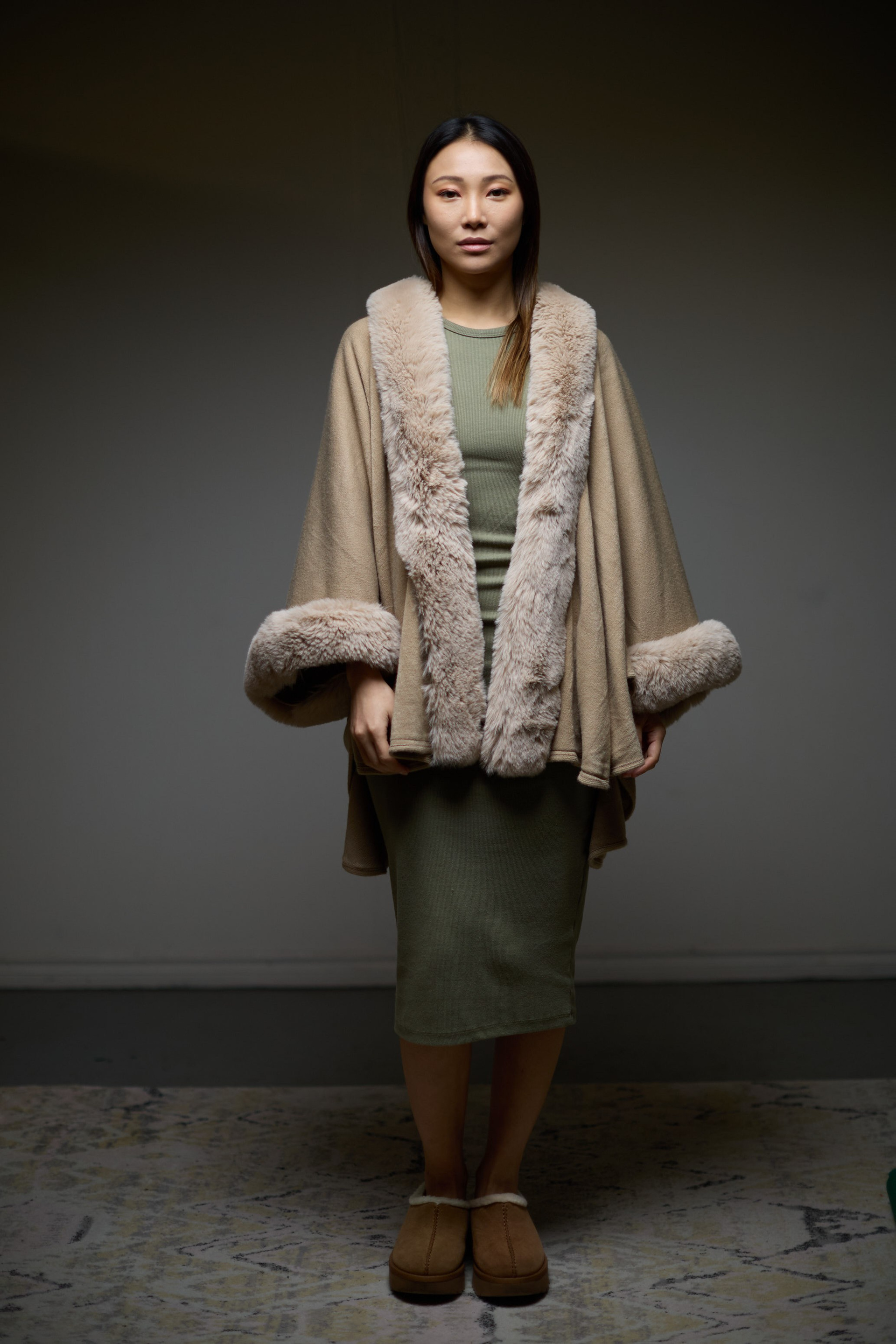
Most of my professional work has been in fashion. Models, styling, posing, structure. It’s a language I speak fluently. I know the rhythm of those shoots well—the preparation, the direction, the expectations. I understand how to get results, how to push for the best frame, how to shape an image efficiently and confidently.
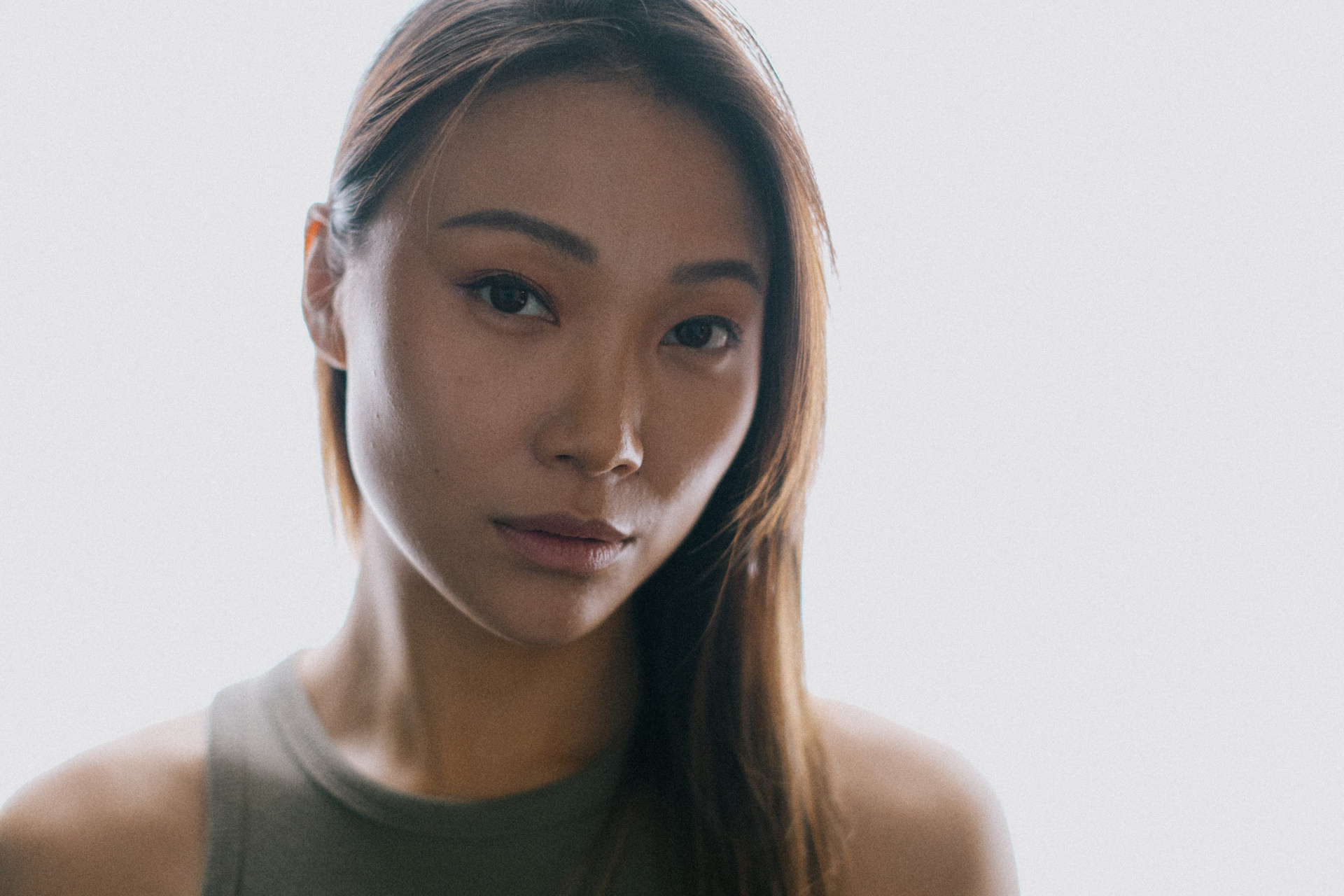
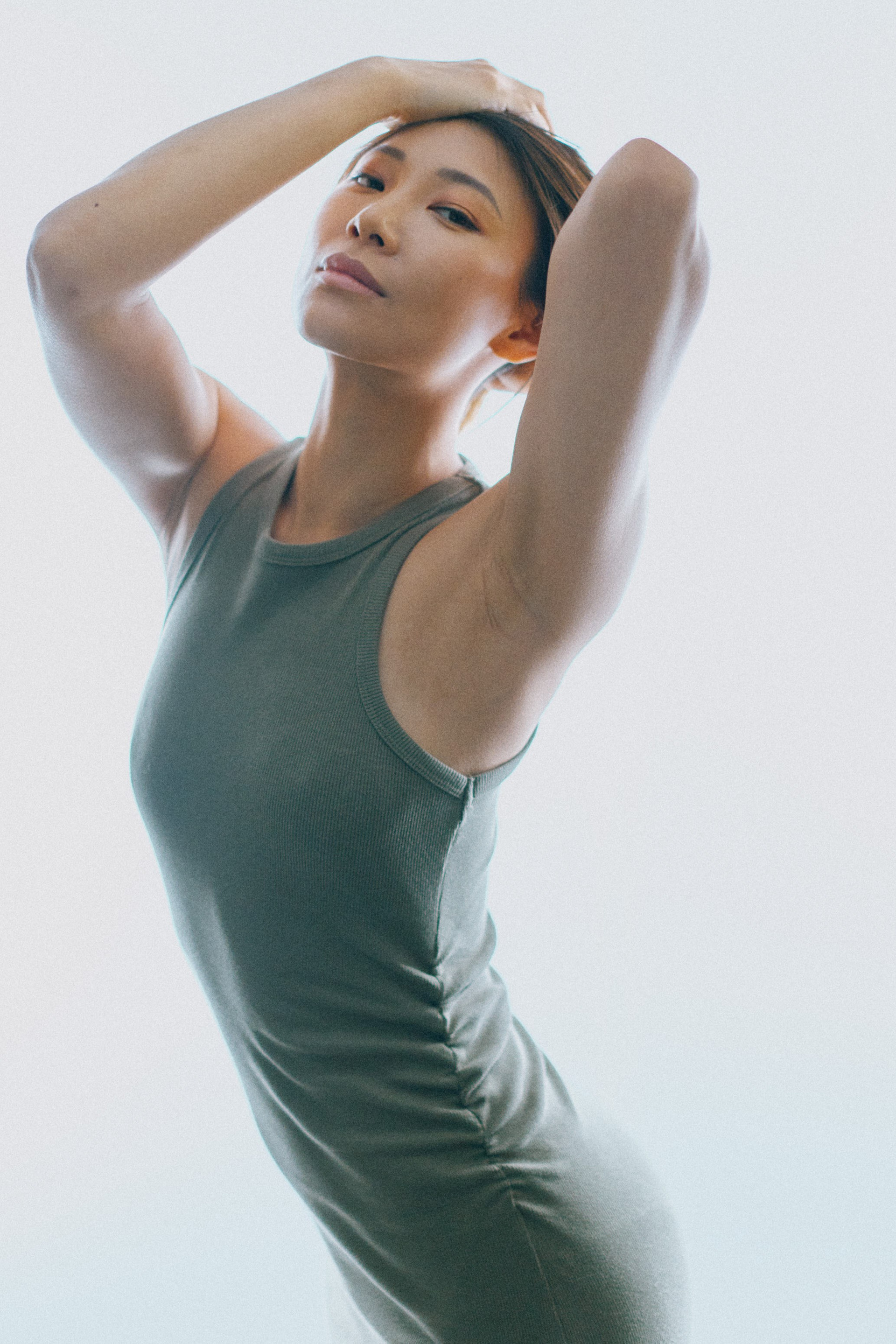
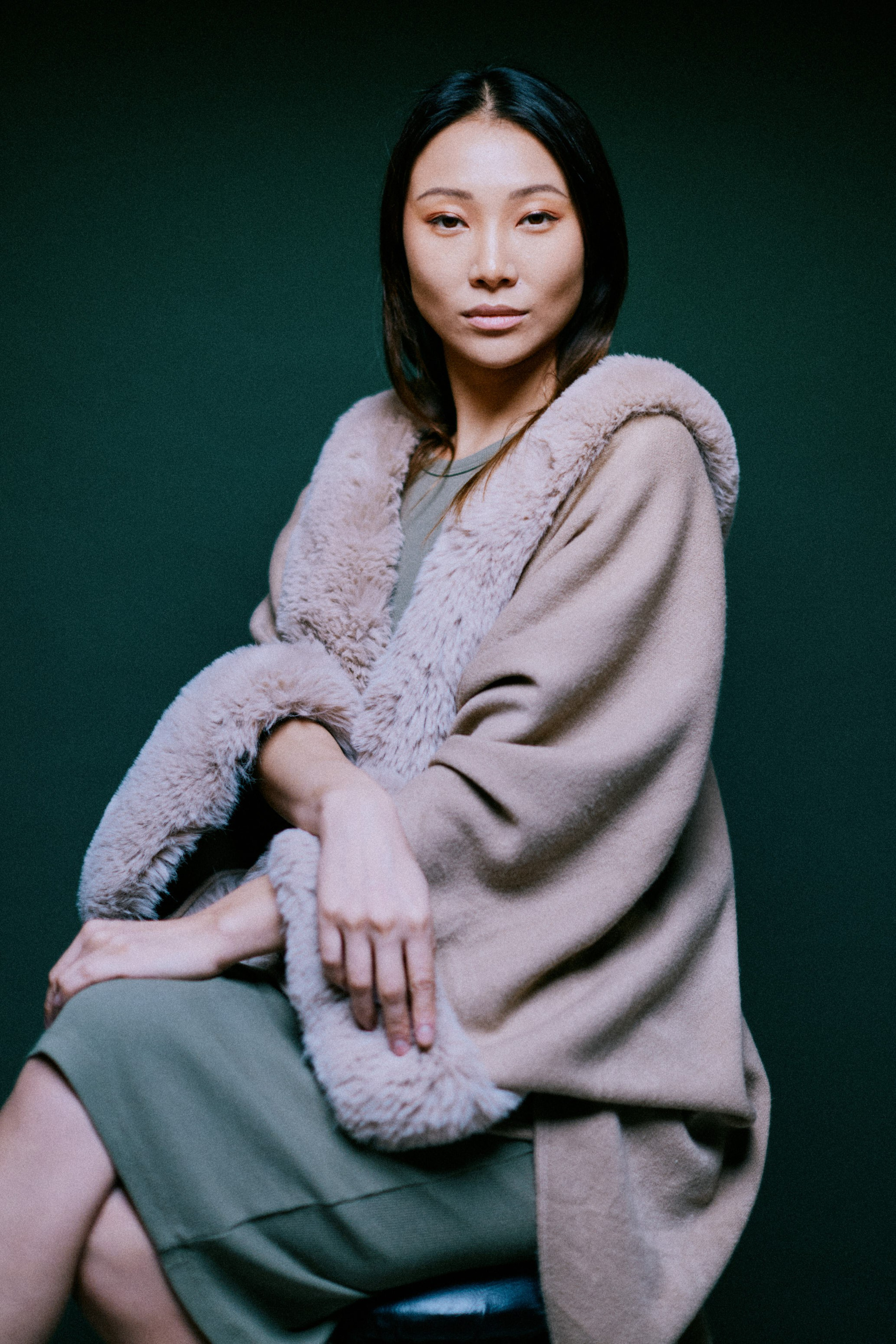
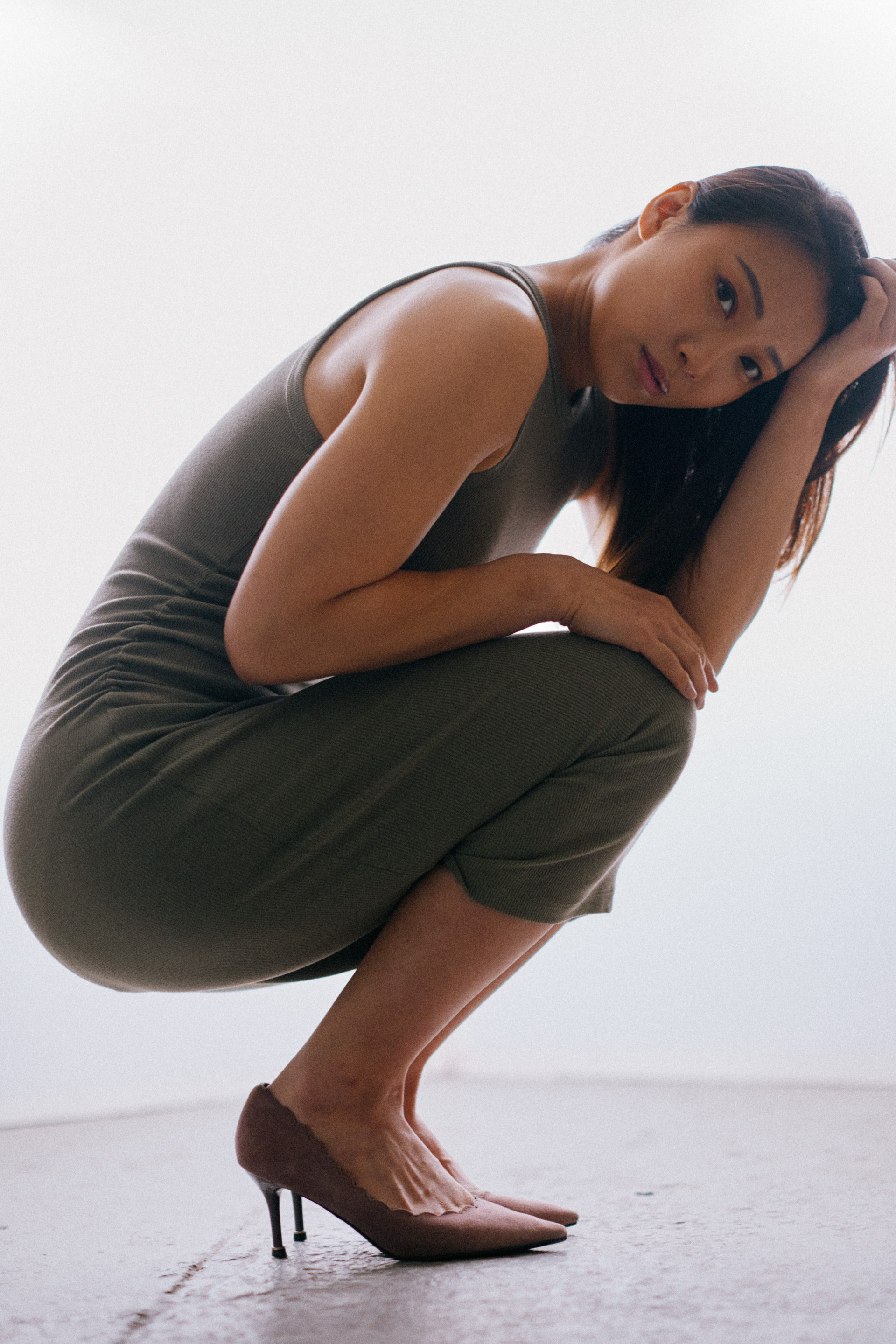
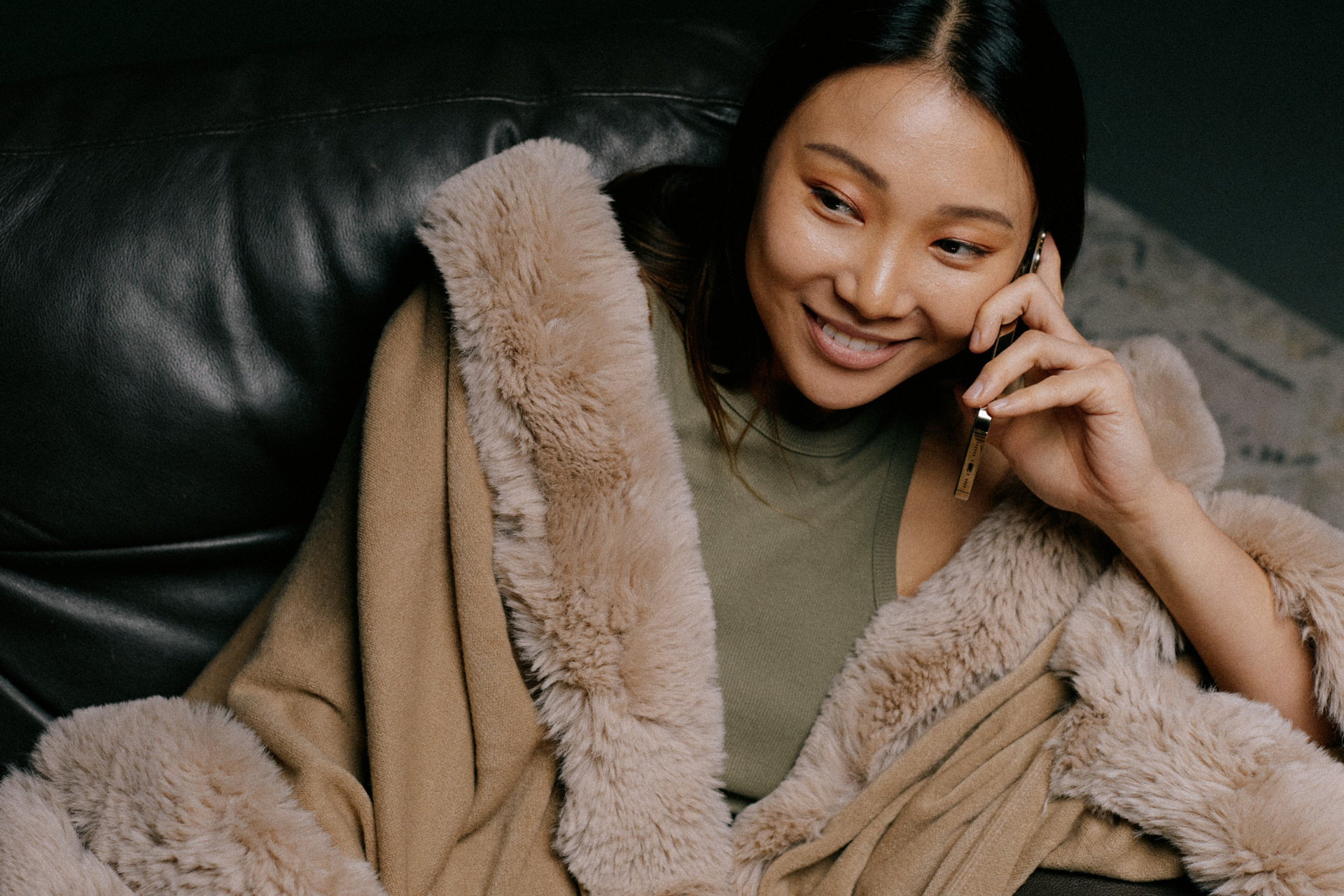
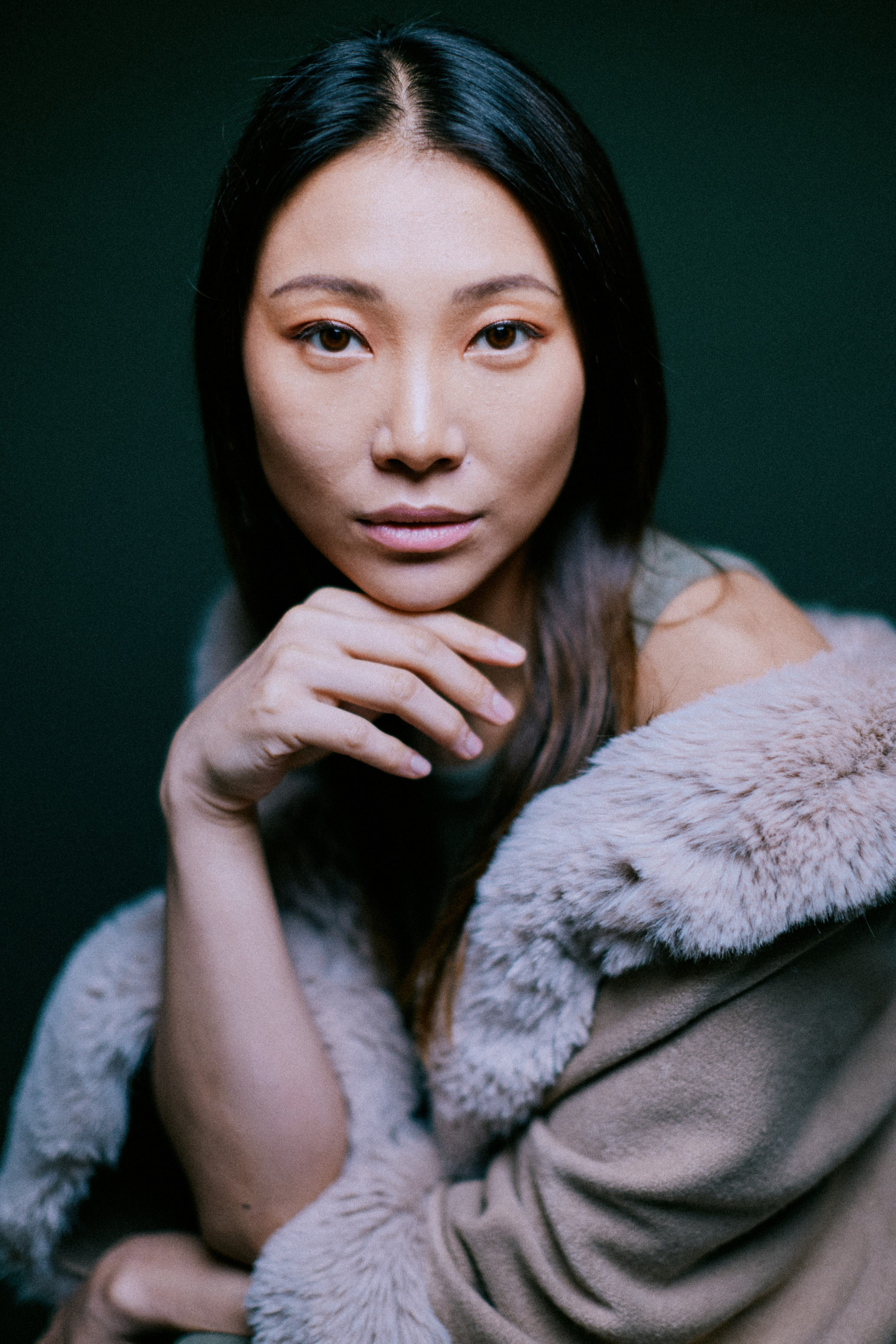
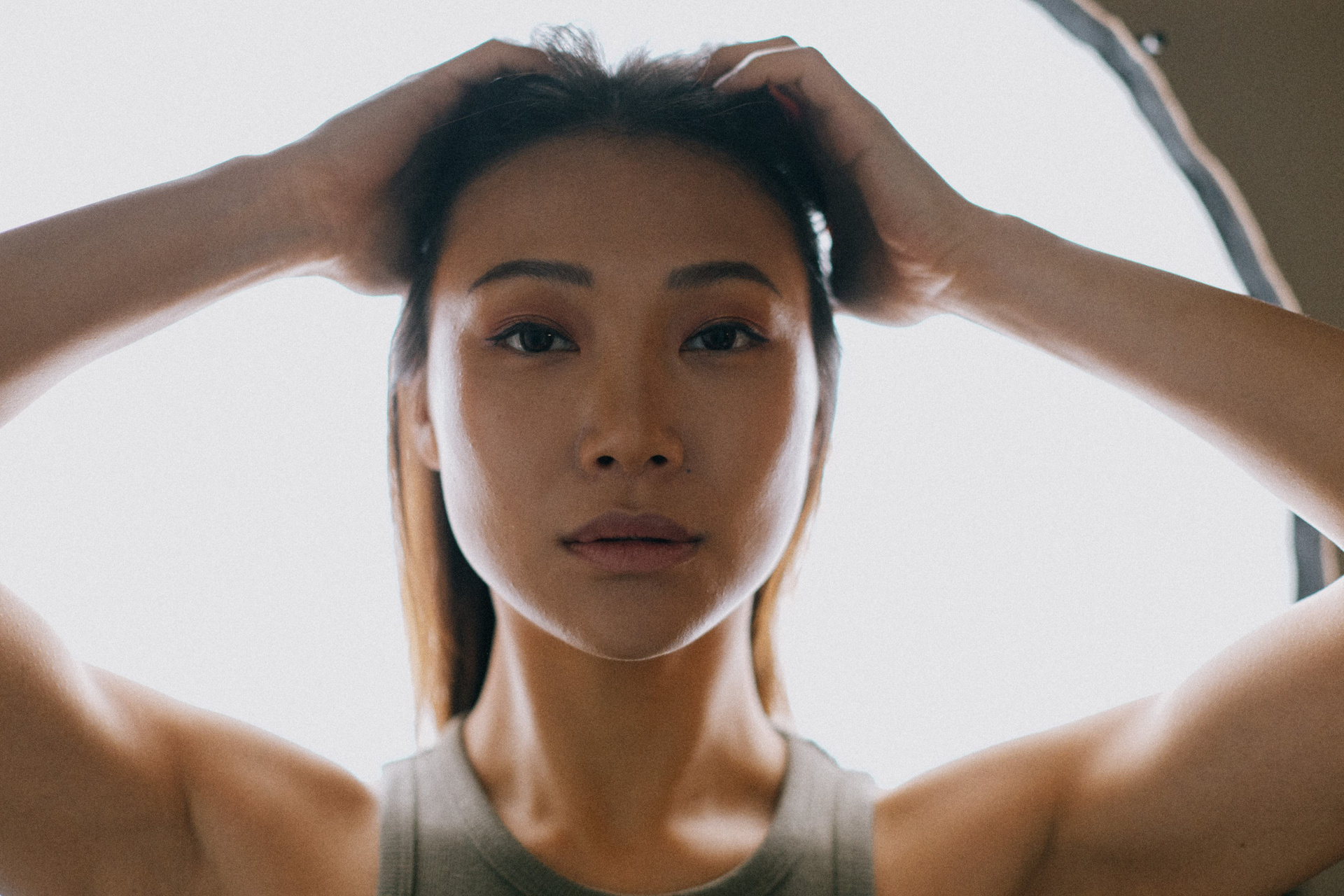
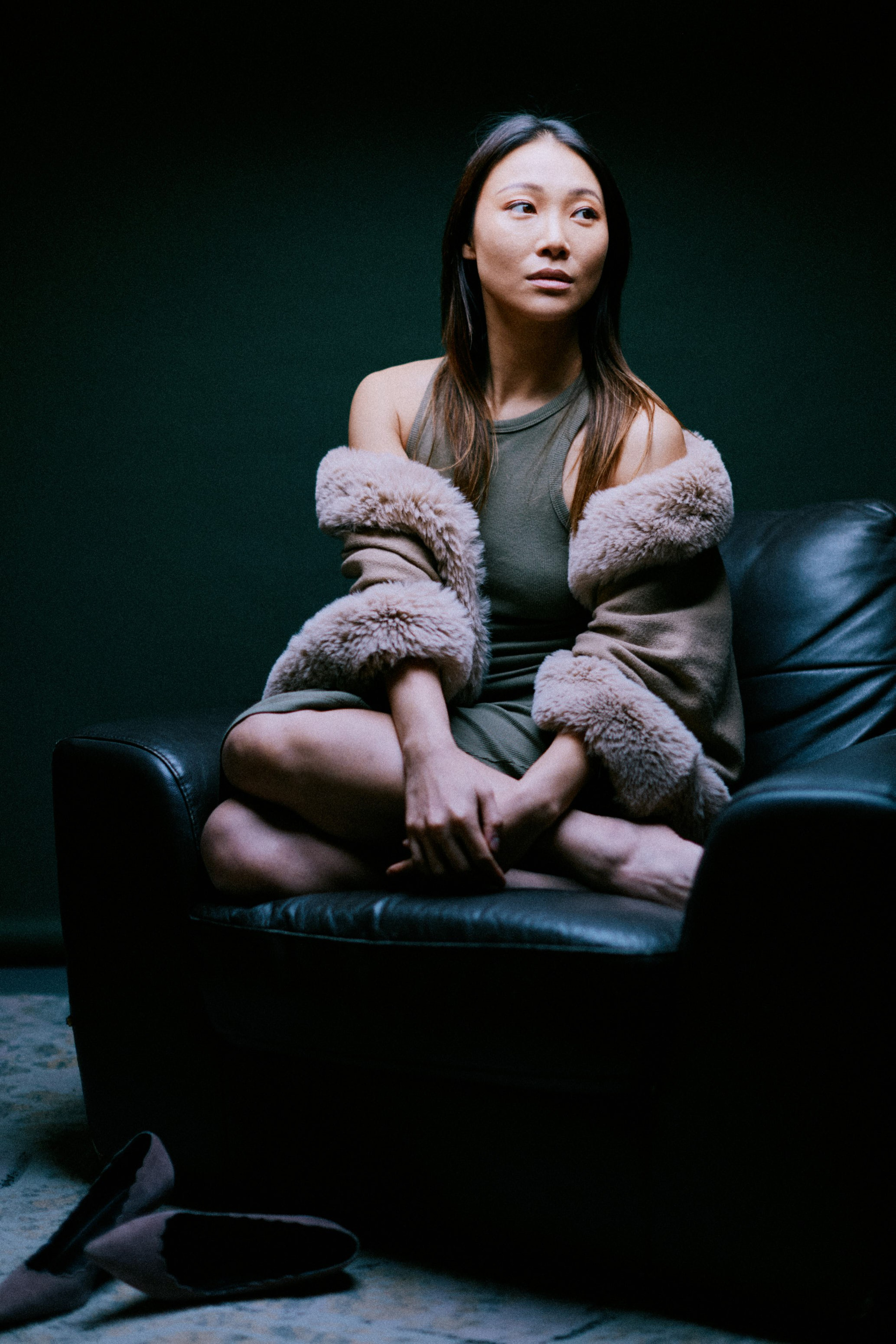
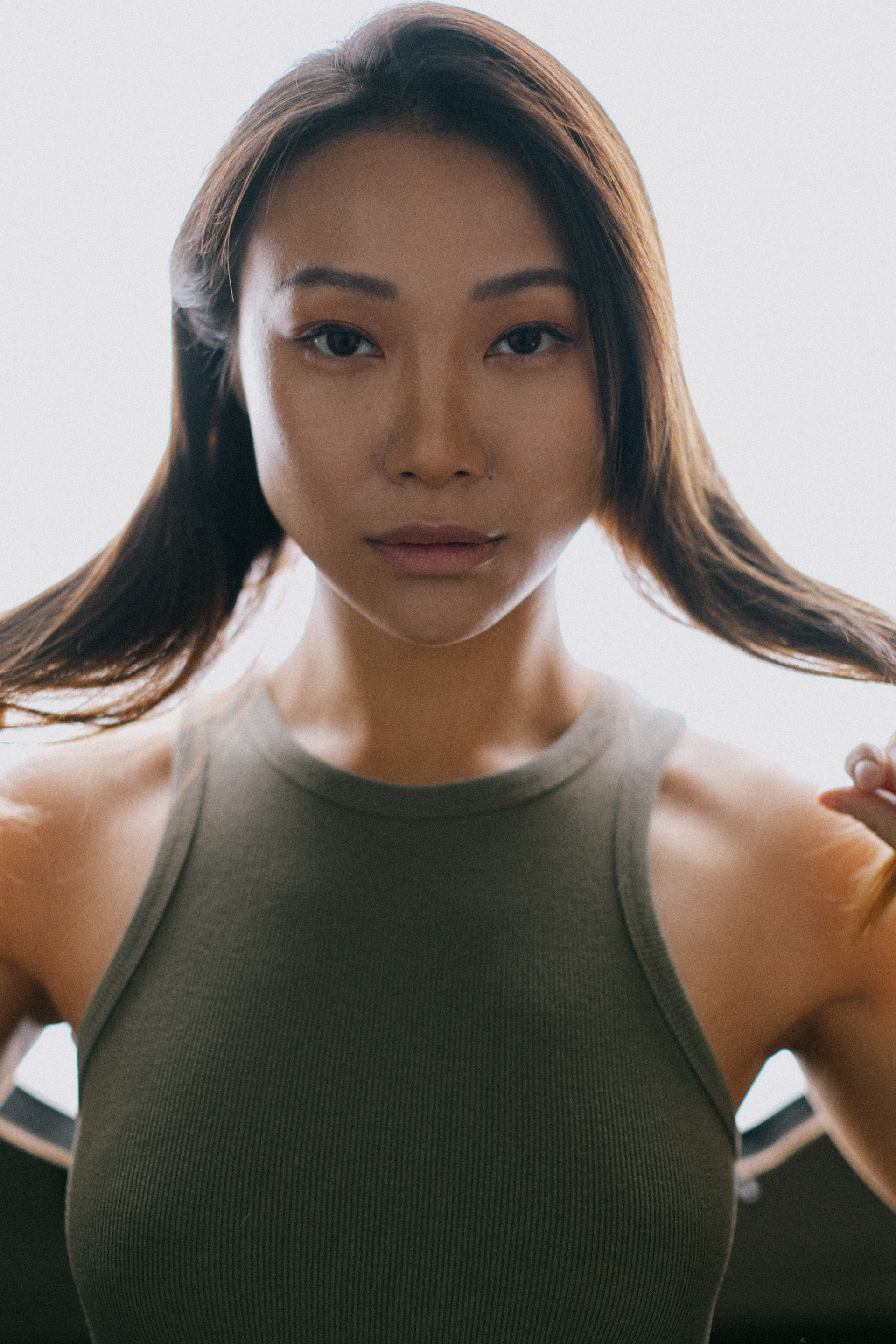
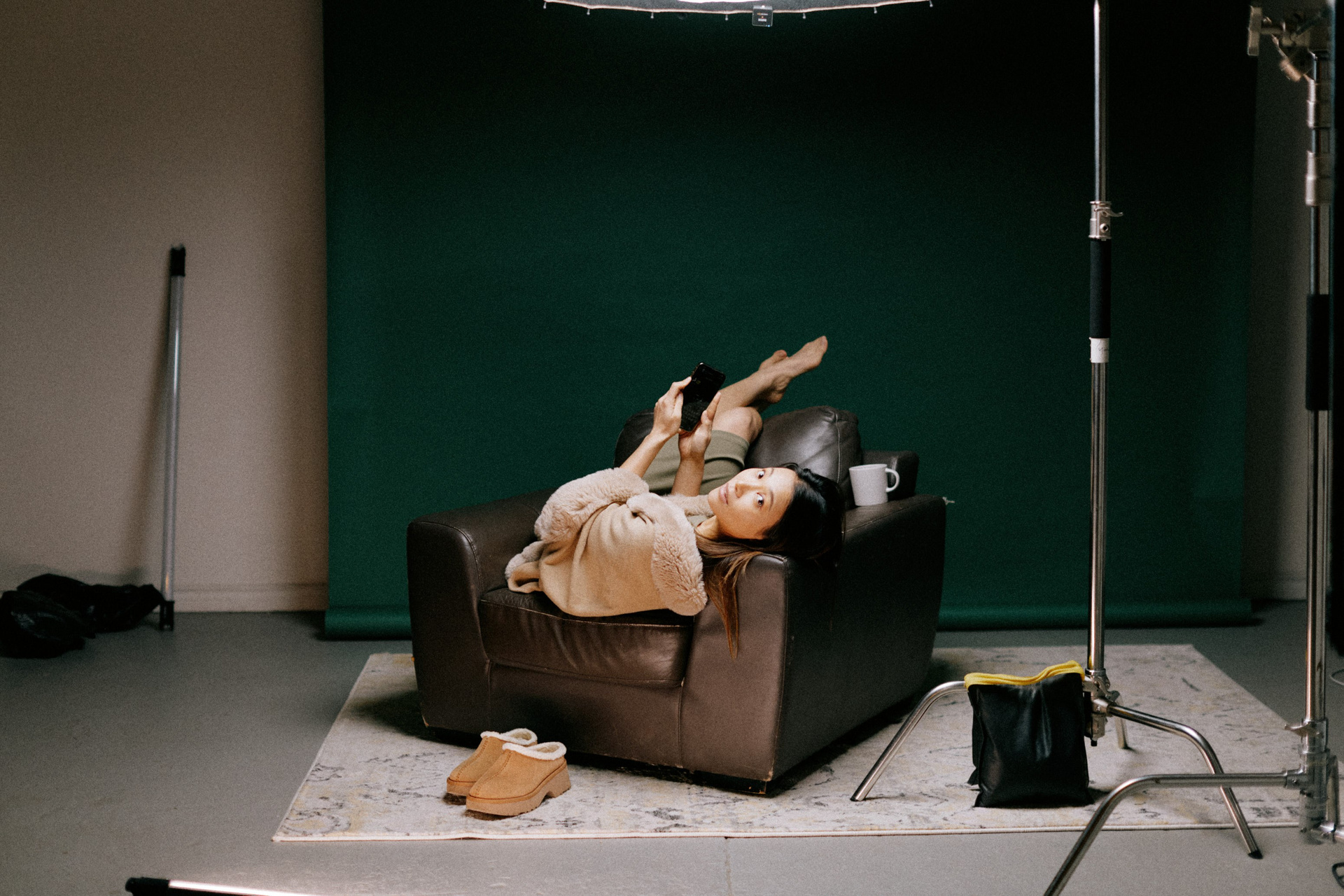
Recently, though, I had the opportunity to photograph an actress.
At first, it sounded interesting mostly from a communication perspective. I was curious about how actors think, how they approach the camera, what happens when performance replaces posing. I expected something adjacent to fashion—different, but familiar.
It wasn’t.
The shoot had a completely different energy.
Instead of directing shapes, I was observing emotions unfold. Each photograph felt like a paused moment from a scene that never existed, yet somehow felt real. Motion inside stillness.
That experience shifted my perspective.
I realized how powerful photography can be when it intersects with acting—how a single frame can suggest a beginning, a tension, or an unresolved ending. It opened a new way of thinking about my work: not just creating visually strong images, but allowing space for narrative, psychology, and performance to breathe within the frame.
This shoot reminded me why I fell in love with visual storytelling in the first place.
Sometimes, a photograph doesn’t need a plot.
Sometimes, it is the story.




5'nizza

Horseradish Theatre


Frontier Summit 2025 Vancouver
The Double Life of a Photographer: Being Your Own Marketing Specialist


PayTech Women Vancouver Chapter Launch — The Career Curve

OCCASION Photo Day — Rooftop Fashion Shoot, Coquitlam

